
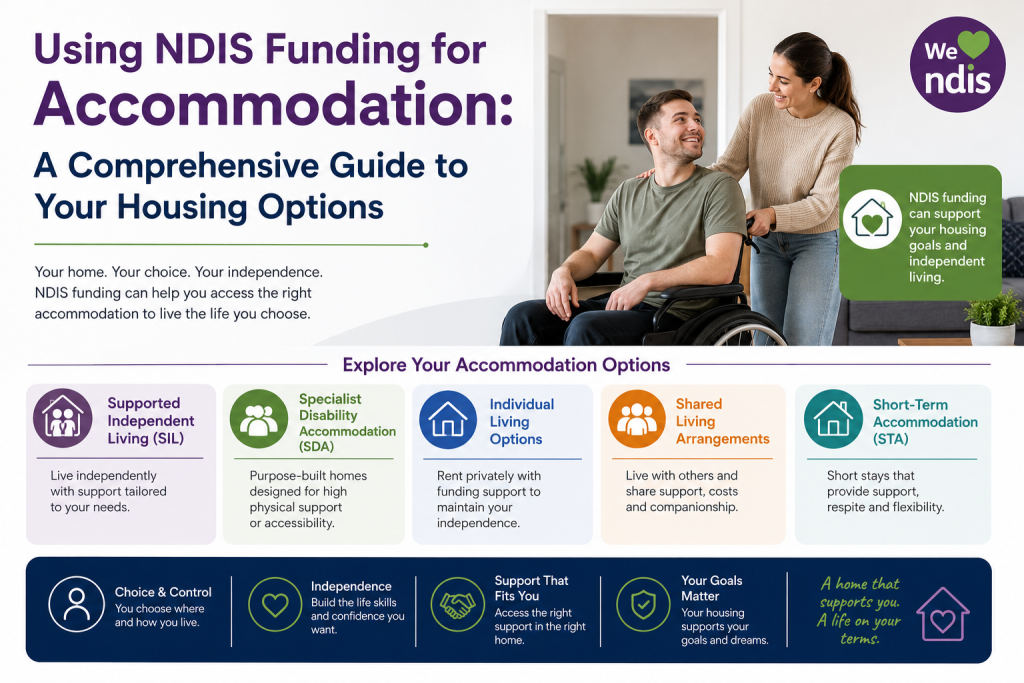
What if the four walls you call home were entirely separate from the hands that help you within them? For many, the transition to independent living feels fraught with complexity. Routine becomes difficult when you aren’t sure where the funding ends and the support begins. Using NDIS funding for accommodation should feel like a steadying hand, not an administrative burden. It’s about finding a place where you feel safe, dignified, and in control of your own front door.
You likely feel the weight of choosing the right path while trying to decode terms like SIL, SDA, or the new Short Term Respite classifications. We understand that this process is about more than just a bed; it’s about your future stability. This guide will help you navigate the 2025-26 Pricing Arrangements and Price Limits to find the support model that fits your life. We’ll explore the various categories of home and living supports, clarify eligibility for specialised housing, and give you the confidence to choose a provider that prioritises your spirit over a checklist.
Key Takeaways
- Understand the clear distinction between funding for your physical home and the personal support required to live with dignity.
- Identify whether Supported Independent Living (SIL) or Specialist Disability Accommodation (SDA) is the right fit for your specific physical and personal needs.
- Discover how to gather the right professional evidence to ensure your plan review accurately reflects your housing goals.
- Find a structured roadmap for using NDIS funding for accommodation to move toward a more independent and fulfilling life.
- Learn why partnering with a local Melbourne provider helps maintain vital community connections while you settle into your new home.
Understanding Your NDIS Plan: What Does Accommodation Funding Cover?
The National Disability Insurance Scheme (NDIS) was built on a simple premise: your disability shouldn’t dictate your potential. Regarding housing, the focus remains on “Home and Living” supports. These are designed to steady your daily life so you can focus on what matters. A common point of confusion often exists regarding what the scheme actually pays for.
Crucially, the NDIS generally funds the personal support you need to live safely in a home rather than the everyday costs of living. This means items like rent, groceries, and utility bills usually remain your responsibility. NDIS accommodation funding acts as the financial bridge between a participant’s current limitations and their future independence. When you are using NDIS funding for accommodation, the scheme prioritises “reasonable and necessary” supports to ensure you achieve your personal goals.
The Difference Between Support and Bricks-and-Mortar
Understanding your options begins with separating the person from the place. Supported Independent Living (SIL) focuses on the people who assist you with daily tasks like cooking or personal care. Specialist Disability Accommodation (SDA) refers to the physical building itself. It is intended for those with high support needs requiring specific modifications like ceiling hoists or wheelchair-accessible kitchens. These two streams often work together to create a structured, reliable environment. During your plan meeting, your Local Area Coordinator (LAC) plays a vital role in identifying which of these housing needs will best support your autonomy. Using NDIS funding for accommodation effectively requires this clear distinction so your daily routine remains predictable and fulfilling.
Comparing NDIS Accommodation Categories: SIL, SDA, and STA
Choosing a home is a deeply personal decision. The NDIS provides several pathways to ensure your living situation remains stable and structured. When you are using NDIS funding for accommodation, the right model depends on the intensity of support you require and the physical modifications your environment needs. It is rarely a one-size-fits-all solution.
- Supported Independent Living (SIL): This is best suited for those who require help with daily tasks throughout the day and night. It provides a reliable team to assist with cooking, cleaning, and personal care, ensuring your routine remains steady.
- Specialist Disability Accommodation (SDA): This funding is for the building itself. It is reserved for participants with very high support needs who require specialised designs, such as wheelchair-accessible layouts or ceiling hoists.
- Short Term Accommodation (STA) and Respite: Now often referred to as Short Term Respite, these temporary stays provide a steadying break for both participants and their carers.
- Medium Term Accommodation (MTA): This acts as a bridge. It provides a place to stay for up to 90 days while you wait for your permanent home to become available.
Finding the right fit requires a clear understanding of the Guide to your NDIS home and living options. This clarity allows you to move forward with quiet confidence. Using NDIS funding for accommodation effectively means matching these categories to your long-term vision of independence.
Which Funding Model Fits Your Lifestyle?
Confidence slips when supports don’t match your daily reality. You might find that traditional SIL feels too structured, or perhaps you desire a more personal arrangement. This is where Individualised Living Options (ILO) can help. ILO focuses on your lifestyle first, creating a flexible support network that feels like home rather than a service. If you are looking for a more grounded approach in Victoria, exploring Supported Independent Living Melbourne can help you build a life that is truly self-directed. If your current provider no longer aligns with your vision, understanding how to change NDIS provider is a vital act of autonomy that can restore your confidence and sense of control. Our team is here to help you organise a plan that respects your personal boundaries and prioritises your autonomy.

Securing Funding and Finding the Right Provider in Melbourne
Confidence is built on preparation. When your plan review approaches, the focus shifts from dreaming of a new home to proving the necessity of the support. This is where your team becomes vital. By gathering detailed evidence from occupational therapists and support coordinators, you create a clear picture of your daily life. Engaging with mobile allied health experts such as Bio Health Prosperity Wellness can help you document where routine becomes difficult and where a steady hand is required. Using NDIS funding for accommodation starts with this narrative of need, ensuring the NDIA understands how a change in housing will foster your independence.
Location matters deeply for your sense of belonging. Choosing a local provider in areas like Tarneit or Geelong ensures you remain connected to the community you know and love. It’s about more than just a building; it’s about staying close to your favourite park, your local GP, and your family. Understanding the landscape of supported accommodation in Victoria helps you identify providers who truly know the Melbourne region. A local partner provides a more personal, grounded experience that a national chain simply cannot replicate.
While physical proximity to a GP is important for many, digital health platforms like Aussie Scripts offer an additional layer of convenience by providing accessible telehealth services, ensuring you can manage your medical needs and prescriptions from the comfort of your new home.
What to Look for in a Melbourne NDIS Provider
The right provider should feel like a quiet, reliable background to your life. They must be fully registered and compliant with the latest NDIS Pricing Arrangements and Price Limits to ensure your funding is managed responsibly. Beyond the paperwork, look for experience in your specific suburb, whether you’re in the Wyndham area or closer to the Melbourne centre. A person-first approach is essential. This means support workers are matched to your personality and goals rather than just assigned to a shift. For a comprehensive overview of what separates high-quality services from the rest, our guide to choosing the best NDIS provider in Melbourne walks through the latest reforms and registration requirements to help you make a confident, informed decision. When using NDIS funding for accommodation, you deserve a team that prioritises your dignity and respects your personal boundaries. If at any point your current arrangement no longer serves your goals, knowing the structured steps for changing your NDIS provider without disrupting your daily care can give you the confidence to act.
Taking the Next Step Toward Your New Home
Transitioning to a new living arrangement is a significant milestone. It involves more than just signing a service agreement; it’s about assessing your “roster of care” to ensure every hour of support is meaningful. If you are considering a shared SIL arrangement, the process should include viewing vacancies and meeting potential housemates to ensure a harmonious environment. We invite you to contact our team to organise a consultation. We can have a confidential chat about your housing goals and help you begin steadying your journey toward a more fulfilling, self-directed life.
Finding Your Path to Independent Living
The transition to a new home should feel like a steadying influence on your life. By understanding the distinction between your physical environment and the personal support you receive, you can move forward with quiet confidence. You now have the tools to differentiate between SIL and SDA, and the knowledge required to prepare for a successful plan review with the right professional evidence. Using NDIS funding for accommodation is a structured journey that prioritises your right to a self-directed and fulfilling life.
As you build this new chapter, remember that physical wellbeing is a cornerstone of a fulfilling life. For those interested in holistic health resources, you can visit Livelovelife Chiropractic to discover how gentle, transformative care can support your long-term wellness journey.
WithCare Support Services is a Registered NDIS Provider specialising in SIL and SDA across Melbourne, Tarneit, and Geelong. We believe that care should feel organised but never clinical, focusing on a person-first approach that respects your personal boundaries and autonomy. Our team is ready to help you navigate the complexities of the system and find a living arrangement that truly feels like home. Secure your future with a trusted NDIS provider in Melbourne; contact WithCare today to discuss your housing goals. You don’t have to navigate this transition alone, and we look forward to helping you find the stability you deserve.
Frequently Asked Questions
Can NDIS funding be used to pay my weekly rent?
The NDIS generally doesn’t cover the cost of weekly rent, groceries, or utility bills. These are considered everyday living expenses that most Australians pay regardless of their disability. When you are using NDIS funding for accommodation, the focus remains on the “Home and Living” supports that make your environment safe and accessible. This ensures your funding is directed toward the personal care and modifications that steady your daily life.
What is the difference between SIL and SDA in simple terms?
The focus is simple: SIL is about the people who assist you, while SDA is about the physical structure of the building. Supported Independent Living (SIL) provides the daily personal care you need to live autonomously in your chosen home. Specialist Disability Accommodation (SDA) refers to houses specifically designed for those with very high support needs. These categories often work together to provide a reliable and dignified living arrangement.
How do I know if I am eligible for Specialist Disability Accommodation (SDA)?
Eligibility for SDA is reserved for participants with extreme functional impairment or very high support needs. Statistics show that approximately 6% of NDIS participants meet these specific criteria. You’ll need a formal assessment from an occupational therapist to demonstrate that a specialised housing design is a “reasonable and necessary” requirement for your independence. This process ensures that those who need specific modifications, like wheelchair-accessible layouts, receive a home that fits their life.
Can I use NDIS funding for Short Term Accommodation (respite) if my carer needs a break?
Yes, you can access Short Term Respite to give both you and your carers a necessary and steadying break. This funding typically covers up to 28 days of support per year and includes 24-hour care in a safe environment. Using NDIS funding for accommodation in this way allows you to enjoy a change of scenery while your regular support network recharges. It’s a structured way to maintain the health and spirit of the entire family unit.
What happens if my accommodation needs change mid-plan?
If your circumstances change significantly, you can request a plan variation or review through the NDIA. Life is rarely static; the scheme recognises that your housing requirements may shift as your goals evolve or your health needs change. You’ll need to provide updated evidence from your support team to justify the adjustment. This ensures your plan remains a reliable reflection of the help you need to lead a self-directed and fulfilling life.