
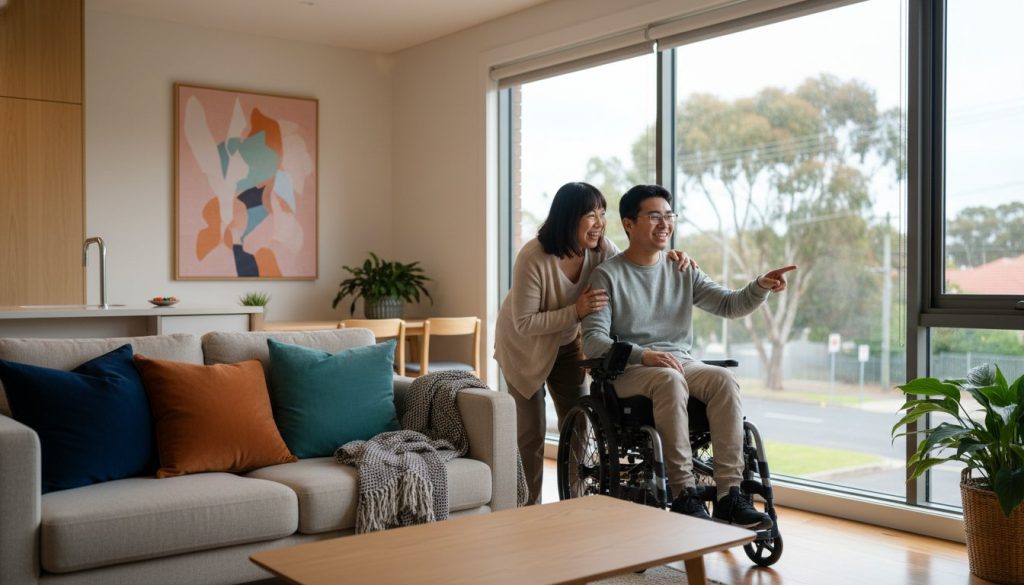
Did you know that a well-designed home can reduce a person’s daily support needs by an average of 2.4 hours every single day? Specialist disability accommodation is far more than a set of ramps or widened doorways; it is the architectural foundation that allows a person’s spirit to flourish. For many Melbourne families, the realisation that a long-term family home is no longer safe or functional happens slowly. Routine becomes difficult. Confidence slips. You likely feel the weight of finding a space that offers high-level support without sacrificing the warmth and dignity of a true home.
We understand that the transition feels daunting, especially when the lines between your housing and your support workers seem blurred. It is a vulnerable time. This guide provides a clear, professional path forward for 2026. You will discover how the right specialist disability accommodation category can transform daily life from a struggle into a series of personal successes. We will explore the latest NDIS standards and the practical steps to finding a residence that feels like a home rather than a facility, ensuring your family moves forward with quiet confidence and total clarity.
Key Takeaways
- Understand why SDA is defined as the specialised “bricks and mortar” component of the NDIS, specifically for those with very high support needs.
- Discover how the four NDIS design categories provide a framework for customising independence through functional yet unobtrusive home modifications.
- Learn to identify the subtle signs that a current home environment is no longer safe and when it’s time to begin the transition process in Melbourne or Geelong.
- Gain a clear understanding of how to secure specialist disability accommodation funding in an NDIS plan using professional evidence and occupational therapy reports.
- Learn how to shift from a clinical approach to finding a fulfilling environment that prioritises your family member’s spirit and autonomy.
Understanding Specialist Disability Accommodation (SDA) under the NDIS
At its heart, specialist disability accommodation is about the bricks and mortar. It’s the specialised capital component of the National Disability Insurance Scheme (NDIS). This funding is specifically reserved for participants with extreme functional impairment or very high support needs. In the past, high-care environments often felt clinical or sterile. By 2026, the standard has shifted. Modern designs prioritise dignity, ensuring a home looks like a home, not a medical facility. This physical environment provides the steadying foundation where Supported Independent Living Melbourne becomes truly effective.
The Crucial Difference: SDA vs. SIL
The distinction is simple but vital. SDA is the building itself. SIL (Supported Independent Living) is the team of people who provide the care within those walls. Think of it this way: SDA is the floor beneath your feet. SIL is the steady hand that helps you walk across it. They work in tandem, yet they’re funded differently. It’s important to remember that SDA payments explained in your plan only cover the dwelling costs. They don’t include the person-to-person support required for daily tasks. Understanding how assistance with daily life NDIS funding works alongside your SDA plan is essential for building a complete and effective support structure.
Why Routine Becomes Difficult in a Standard Home
Standard Australian homes often create unseen barriers. A narrow hallway or a small step might seem minor, but they erode confidence over time. Routine becomes difficult. Industry data indicates that well-designed specialist disability accommodation can reduce daily support needs by an average of 2.4 hours per participant. This isn’t just a statistic. It represents a significant reduction in the daily friction for both the participant and their primary carers. Purpose-built environments allow life to happen in the background, restoring a sense of autonomy and stability to the family unit. For primary carers who are feeling the weight of that daily friction, exploring NDIS respite accommodation options in Melbourne can provide the sustainable relief needed to continue providing quality care at home.
The Four SDA Design Categories: Matching Homes to Needs
Improved Liveability and Robust Designs
Improved Liveability homes focus on clarity and ease of movement. They use sensory-friendly features and clear lines of sight to help those with cognitive or sensory challenges feel safe and grounded. Robust designs take a different approach. They utilise high-impact resistant materials to protect both the participant and the home. This design reduces maintenance stress. It provides a structured, secure environment that prioritises safety without sacrificing comfort.
High Physical Support and Fully Accessible Housing
Fully Accessible housing is designed for significant physical mobility needs. There are no steps. Doorways are wide. Kitchens and bathrooms are easy to navigate. High physical support SDA is the highest tier. These homes include structural provisions for ceiling hoists and advanced assistive technology. Automated doors and climate control become part of the home’s steady hand, allowing for a more self-directed life. When exploring SDA homes in Melbourne, you’ll notice these features are designed to be unobtrusive. If you’re ready to explore how these designs could work for you, connecting with a supportive partner can make the process feel much more manageable.

Your Journey to an SDA Home in Melbourne and Geelong
The path to finding the right home is often paved with paperwork and emotional decisions. It begins with an honest assessment of your current environment. Perhaps you’ve noticed that routine becomes a struggle. Doors feel too narrow; the bathroom feels unsafe. This is where the journey to specialist disability accommodation truly starts. It’s a transition from a space that limits potential to one that fosters it.
Securing funding requires a highly structured approach. You’ll need professional evidence and detailed occupational therapy reports to prove the need for specialised housing. The NDIS provides a clear framework for What is Specialist Disability Accommodation (SDA), but gathering the right documentation is where families often feel overwhelmed. During this transition period, families may also benefit from understanding how short term NDIS respite accommodation can support carers while permanent housing arrangements are being finalised. Once funding is secured, the search for the right location begins. Families navigating SDA housing Melbourne options will find that modern purpose-built homes balance genuine community belonging with the structured support needed for daily life. You might also explore SDA housing Geelong. Finding a home that feels right is about more than just the postcode; it’s about the connection to the community and the ease of the transition phase.
Navigating the Application with a Steady Hand
The application process is rigorous. It demands an organised approach to documentation that can feel like a full-time job. A registered provider acts as a steady hand during this time. They manage the background administrative work and ensure all technical requirements are met professionally. This allows you to focus on the human side of the move while the bureaucracy remains in the background.
The WithCare Approach to Specialised Living
We organise care so it feels personal, never clinical. In every Melbourne and Geelong specialist disability accommodation placement, our focus remains on dignity and autonomy. We don’t take over a life; we steady it. This ensures the environment is fulfilling and the individual’s spirit remains the priority. Our goal is to provide the structure that allows independence to flourish naturally. Complementing your SDA placement with the right assistance with daily life NDIS supports ensures that every aspect of your routine is met with the same person-first approach.
Moving Forward with Confidence and Clarity
Finding the right home is a significant milestone for any family. It represents a shift from an environment where daily routine has become a struggle to one where independence is the standard. Specialist disability accommodation offers the structured, reliable foundation needed for a truly self-directed life. By matching your specific needs to the right design category and following a clear, professional transition plan, you can secure a future that prioritises personal dignity over clinical checklists.
At WithCare Support Services, we act as a steady hand throughout this process. As a Registered NDIS Provider, we take a person-first approach to disability support, with specialised expertise in Melbourne’s western suburbs and Geelong. We ensure the background administrative work is handled with quiet efficiency, allowing your family member’s spirit to remain the focus. We invite you to explore our current SDA and SIL vacancies in Melbourne and Geelong. You don’t have to navigate this transition alone. A more stable and fulfilling life is well within reach.
Frequently Asked Questions
How do I know if I am eligible for Specialist Disability Accommodation?
Eligibility is determined by the NDIS based on whether you have an extreme functional impairment or very high support needs that require a specialised built environment. The assessment process is structured and thorough. It requires professional evidence, usually from an occupational therapist, to demonstrate that a purpose-built home will significantly improve your independence or reduce your long-term support costs. This ensures that specialist disability accommodation is allocated to those who truly need the physical environment to manage their daily lives safely.
Can I live in an SDA home with my partner or family members?
What is the difference between SDA and a traditional nursing home?
The fundamental difference is the level of choice, control, and dignity provided to the resident. A traditional nursing home is often a clinical, institutional setting where routines are dictated by the facility’s operational needs. In contrast, specialist disability accommodation is a private, modern home designed to look and feel like any other residence in a Melbourne or Geelong street. You have the right to choose your own support providers and lead a self-directed life in an environment that prioritises your spirit rather than medical checklists.
How much rent do I pay when living in an SDA property?
Rent is calculated as a Reasonable Rent Contribution, which is a standardised formula set by the NDIS to keep housing affordable. You will typically pay 25 per cent of your basic Disability Support Pension plus any Commonwealth Rent Assistance you receive. These payments cover your right to live in the specialised dwelling. It’s important to remember that this contribution is separate from your daily living costs, such as groceries or utilities, and does not come out of your NDIS support budget.